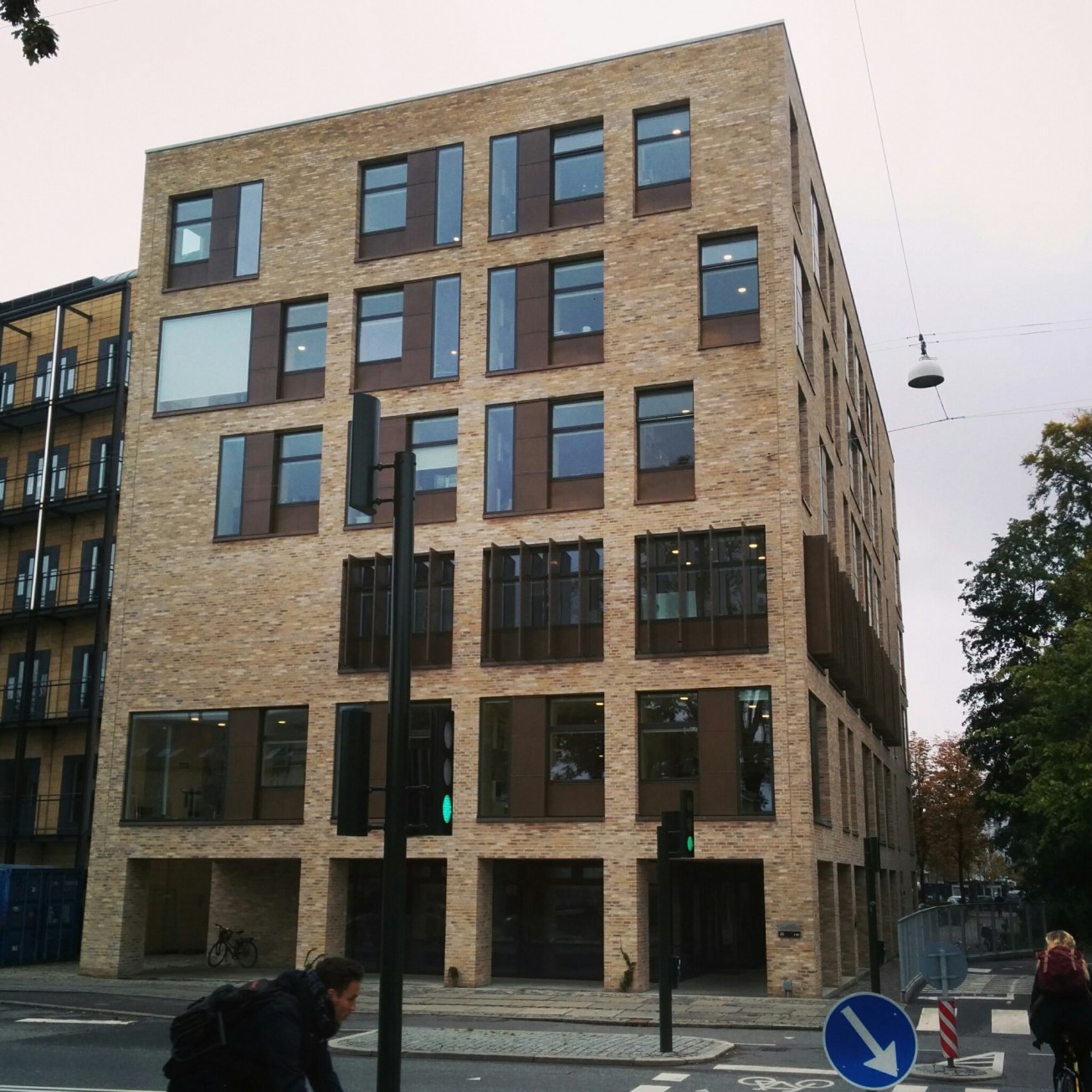
One of my favorite buildings in Copenhagen. An elegant, yet nondescript, fabric building along the Green Path (a cycle route along an old rail right-of-way).
Perhaps the characteristic of Danish (and Swedish) architecture and urbanism that I appreciate most is their ability to skillfully, carefully, and humbly design beautiful fabric buildings. By this I mean buildings, usually residential, that occupy a background role in our collective understanding of urban space, buildings that take on an anonymous yet fundamental role in our understanding of the city. This background role in Denmark, however, is not seen as a opportunity to overlook design; instead, it is seen as an opportunity to refine a building down into its essential elements, and arrange them in a subtle, yet incredibly beautiful manner. To achieve this understated beauty, there almost appears to be a formula present: simple contextual form + restrained palette of complimentary high quality materials + slight variations in the patterns of fenestration and/or balconies = beautiful fabric building. Too often, I find North American architecture/urbanism/development economics create contexts where this type of design focus is not welcome. Bylaws, codes, clients, and architects coalesce to assure that simple buildings cannot be this humbly beautiful.
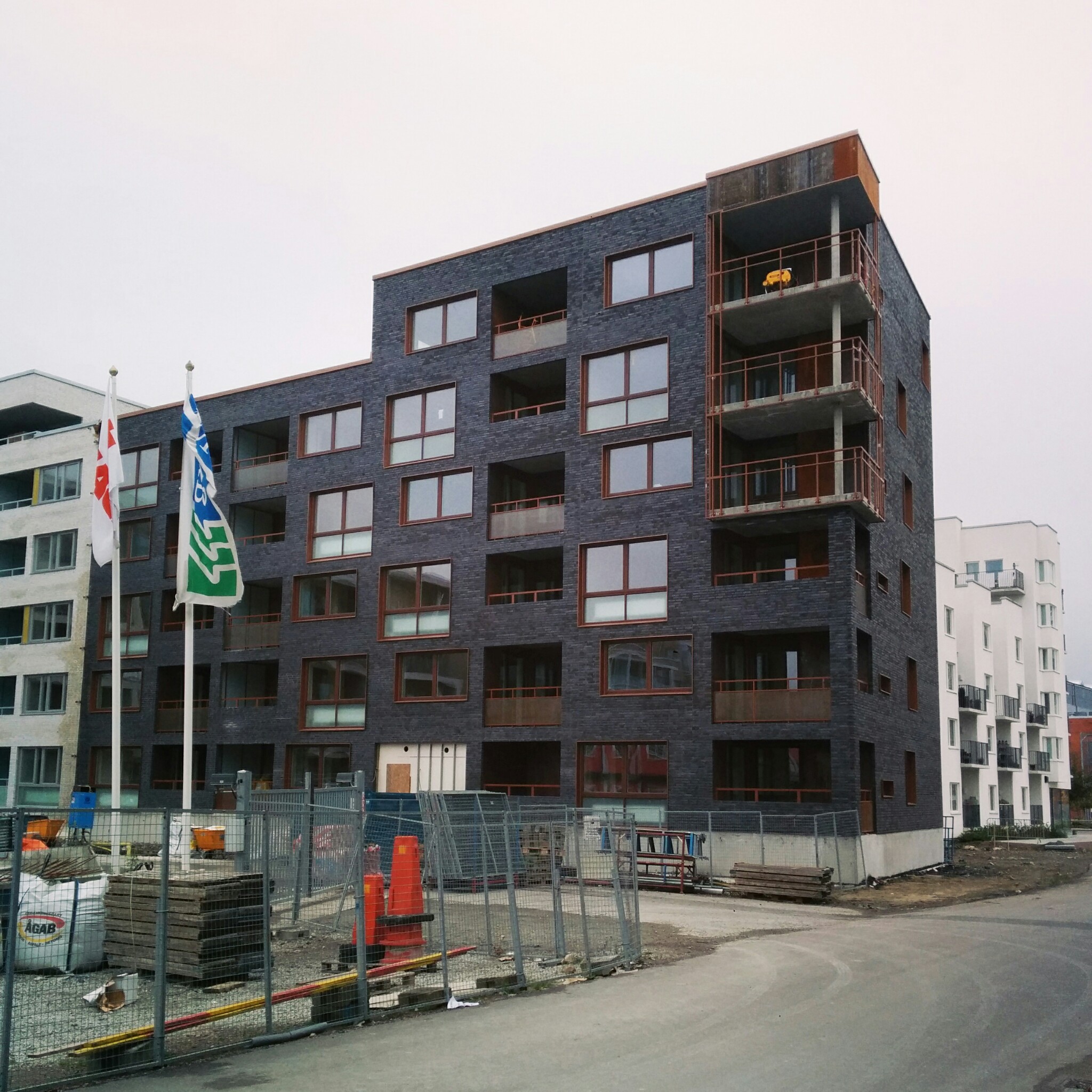 Construction nearly complete at a mid-rise residential building in Västra Hamnen, Malmö.
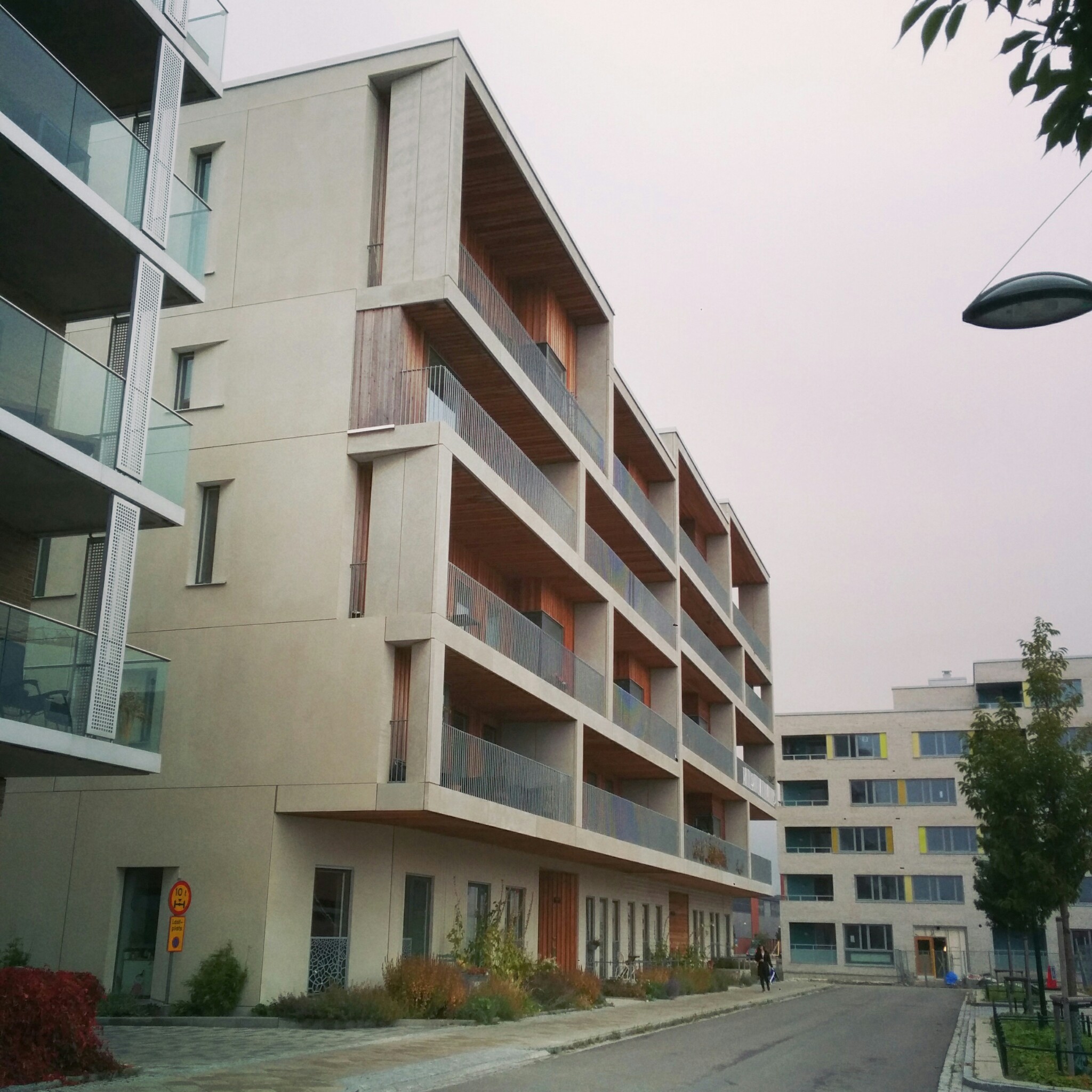 Another mid-rise residential building in Västra Hamnen, Malmö. This one, and the previous, frame a small local square.
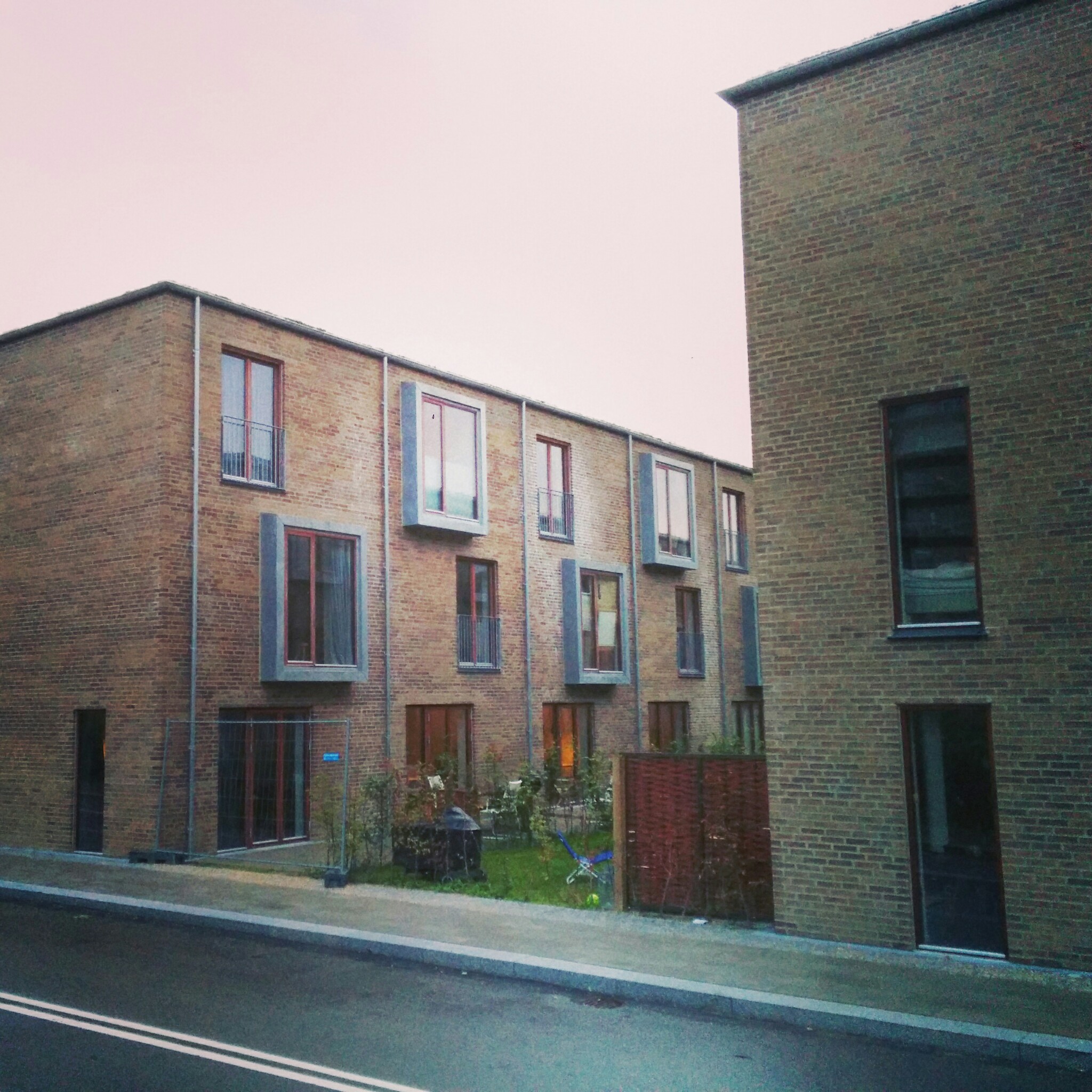 A Small cluster of student townhomes on the campus of Universitetet i København.
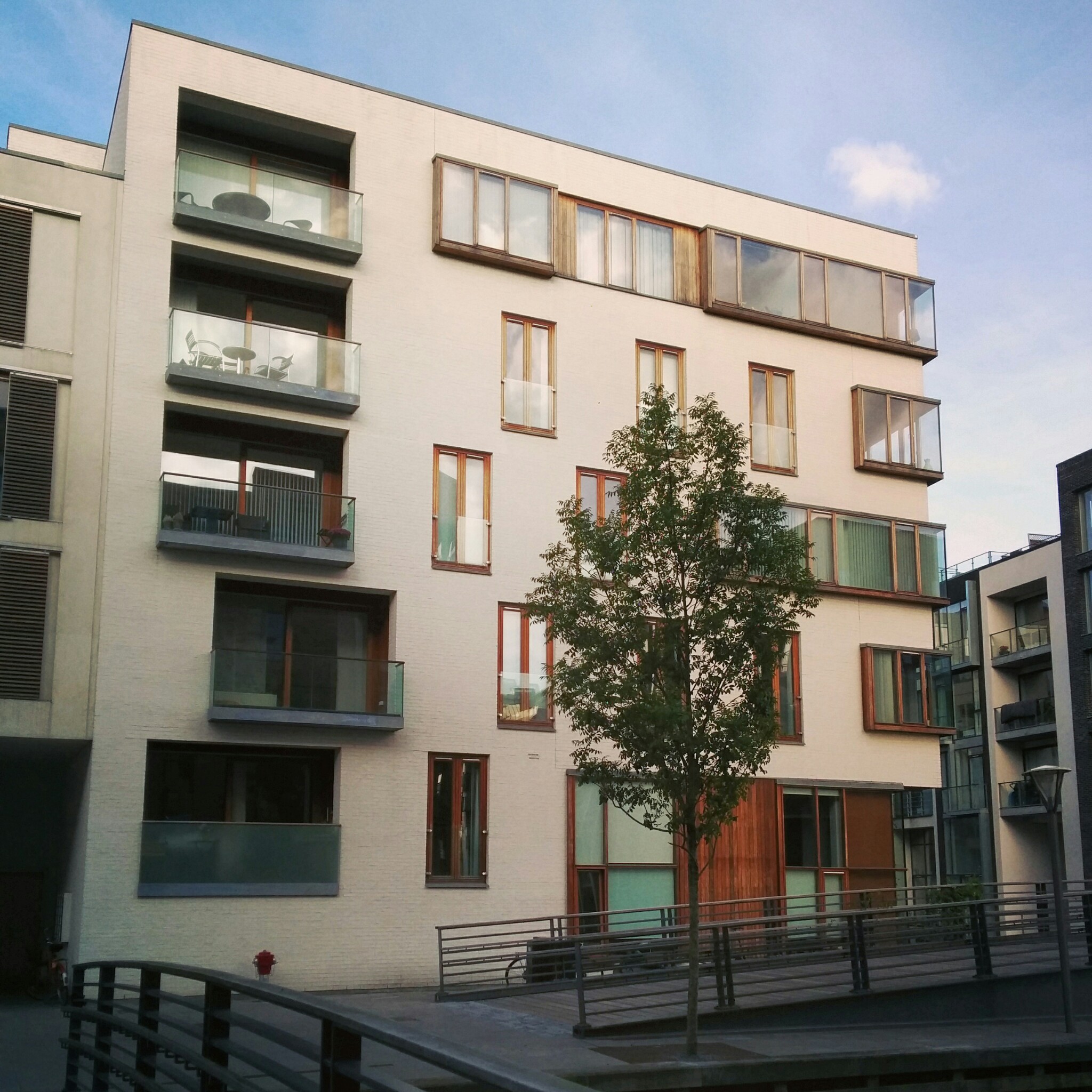 A small waterfront residential building in Sluseholmen, a Mecca of beautiful fabric buildings.
 observations