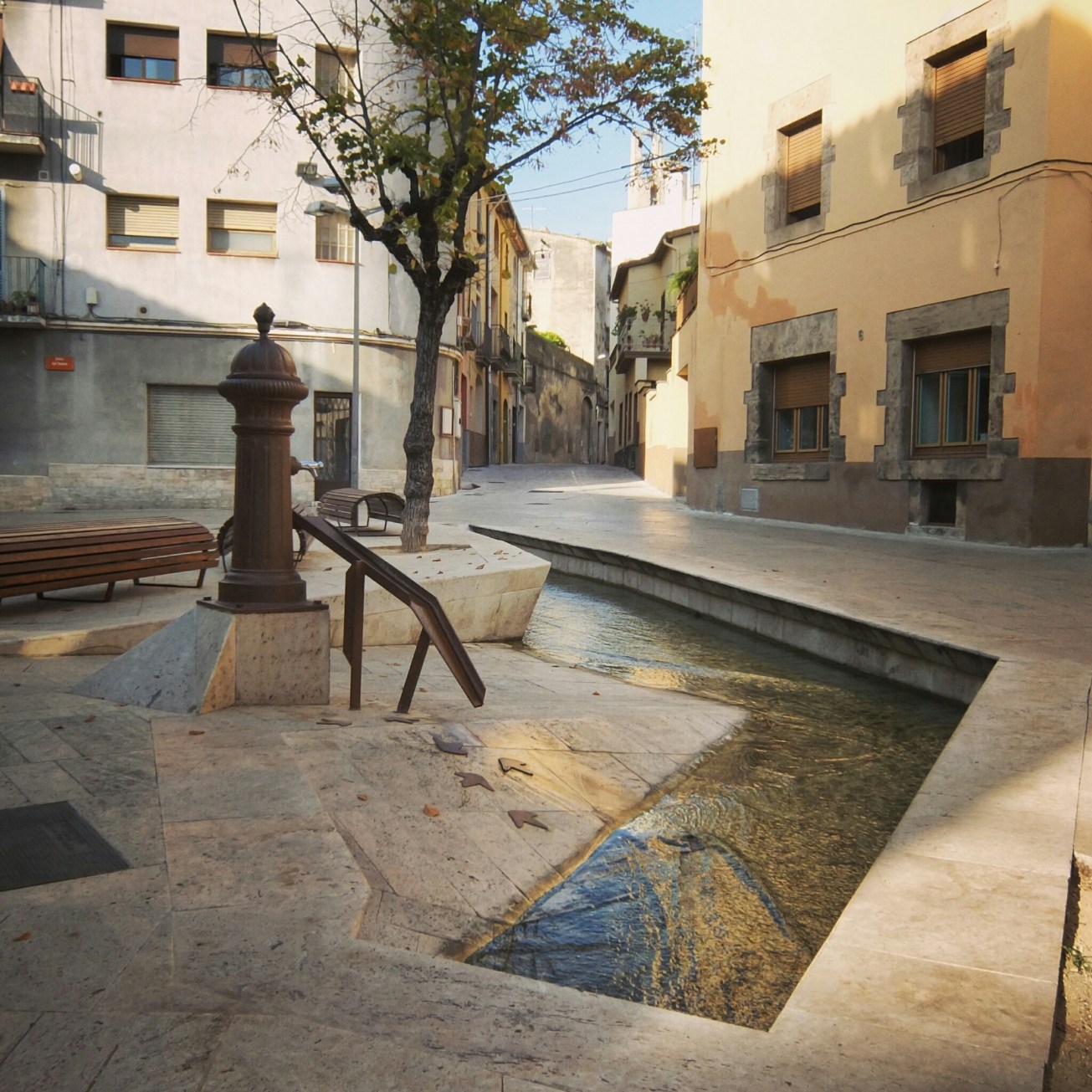
Water, whether through storm drainage channels, channelized streams, canals, urbanized waterfronts, etc. can be a potent urban design tool. At different scales, water can provide numerous positive effects, such as white noise, natural cooling, reflective surfacing, elements of playfulness, public drinking supply, surface irrigation to plantings, transport for small vessels, and calming contemplative vistas. After seeing many notable projects throughout Europe this past year, it became increasingly clear that recording the variety of design moves utilizing water would be wise. All of the projects below represent ingenious marriages of water and urban design. The best projects use water in functional and poetic ways simultaneously, making the recognition, negotiation, and/or use of it, a poetic routine in urban space.
Västra Hamnen, Malmö, Sweden: multiple scales, and functions
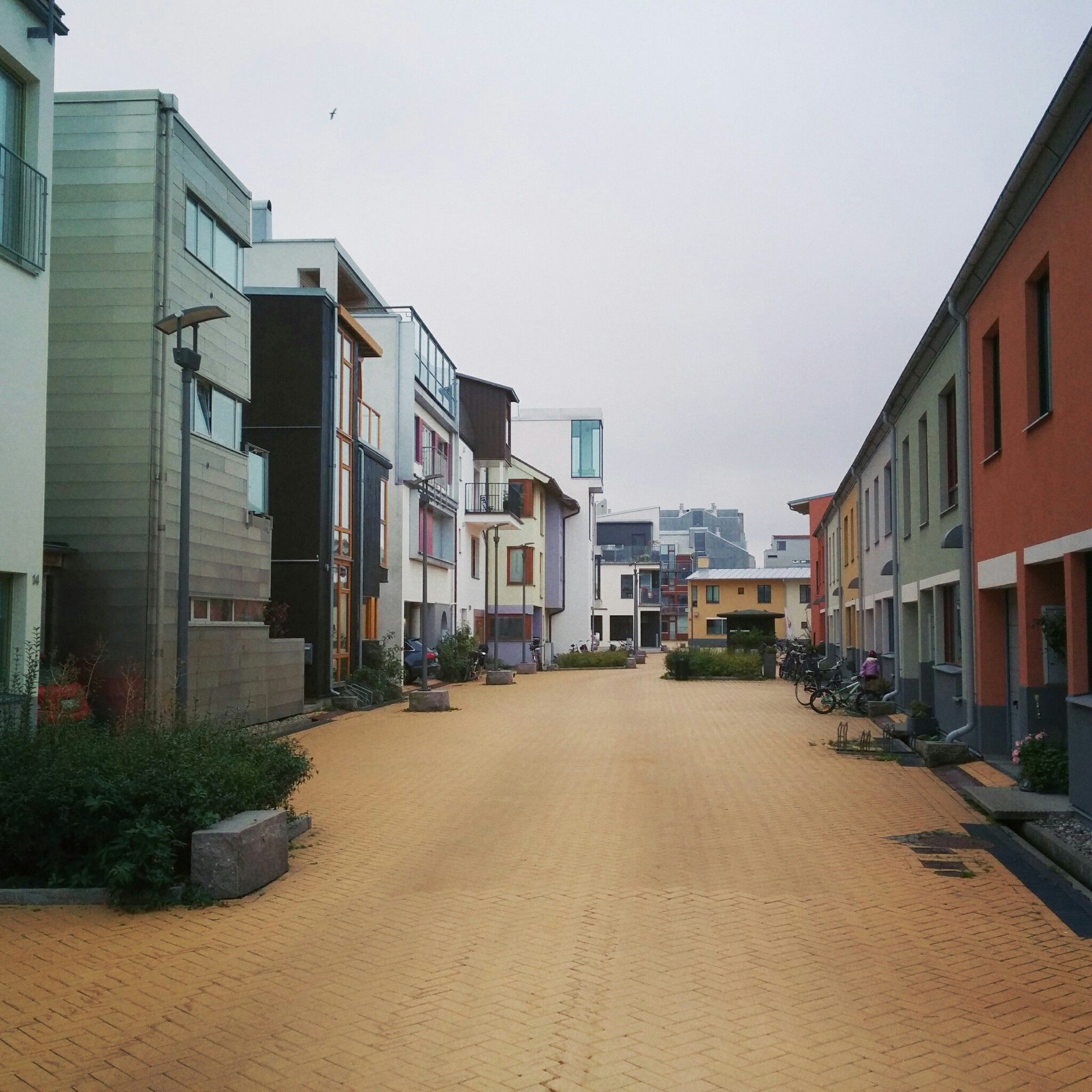
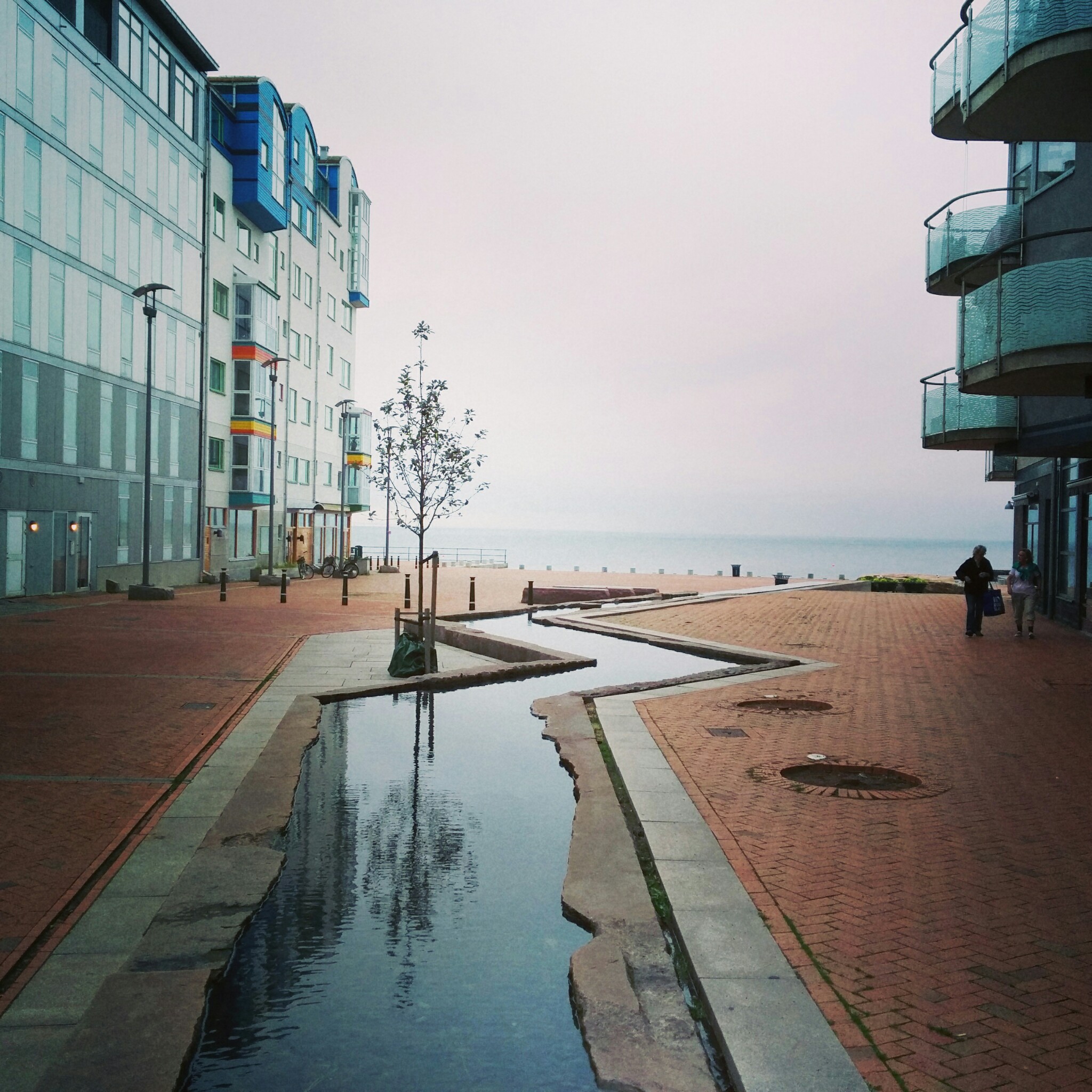
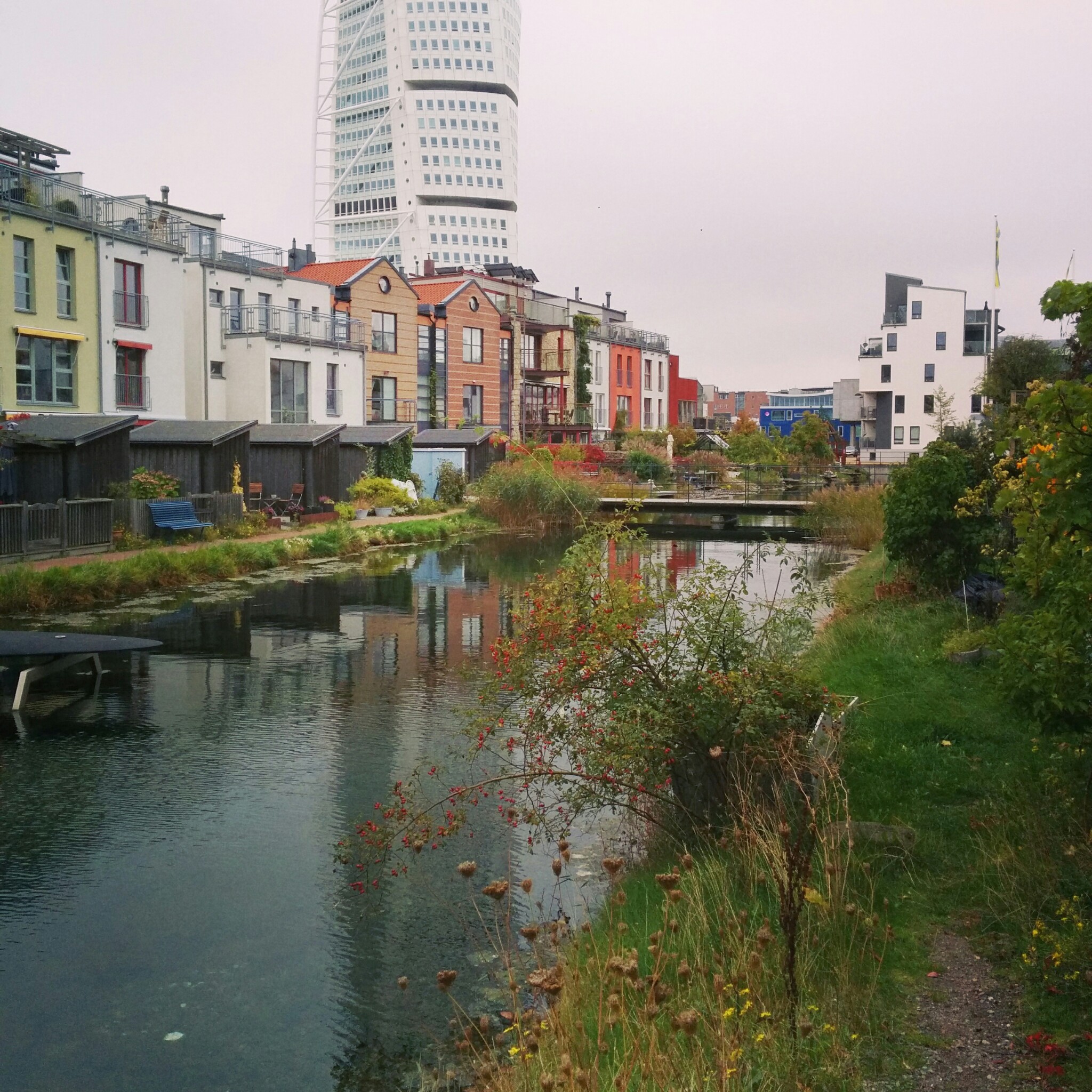
In Västra Hamnen, water is present in all spaces, from the small residential streets, where it demarcates the public and private realms with narrow open storm drainage channels, to the medium plazas, where it becomes a feature offering white noise and reflection, to the both naturalized and urbanized canals, where it provides stormwater collection, calming vistas, and places for small vessels to meander.
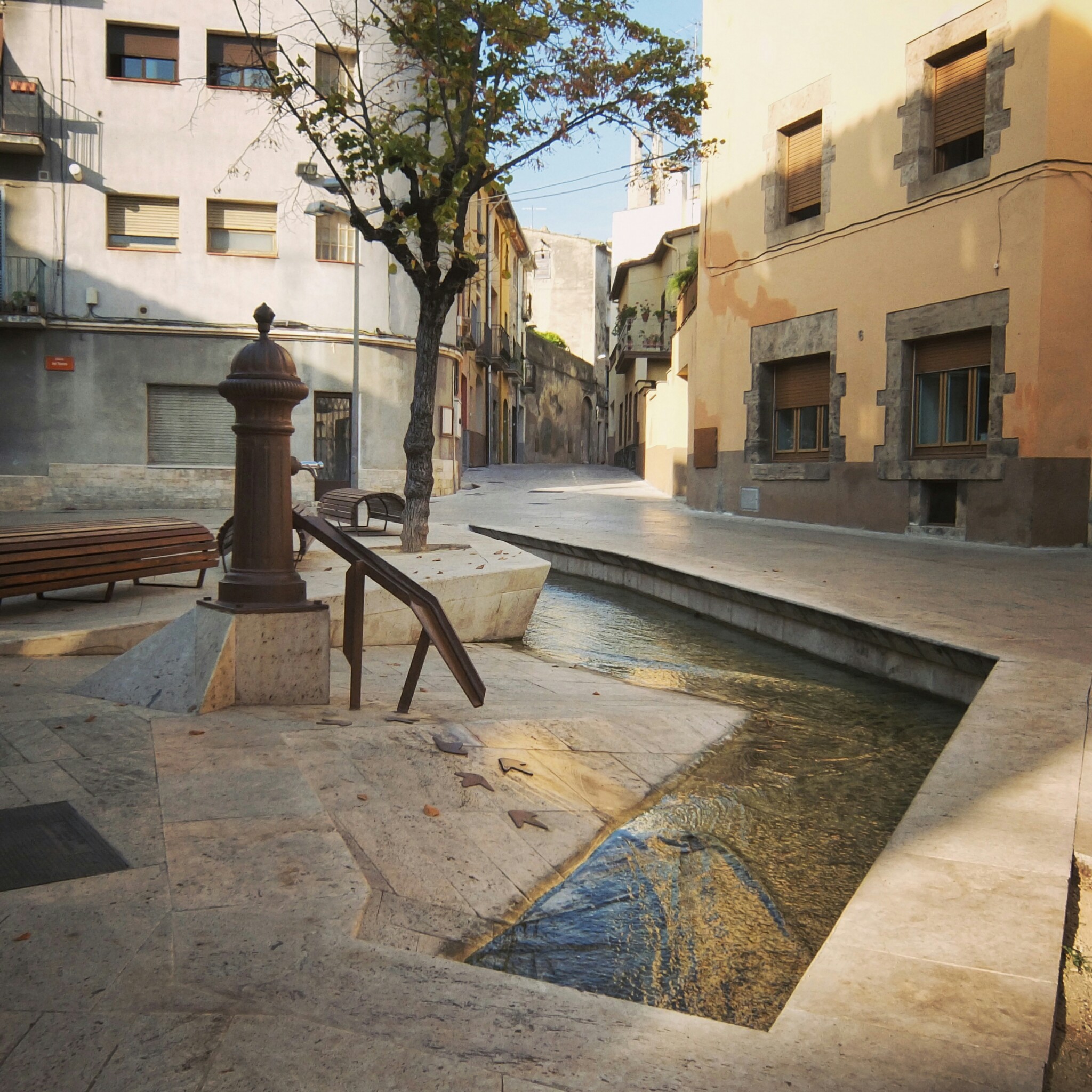
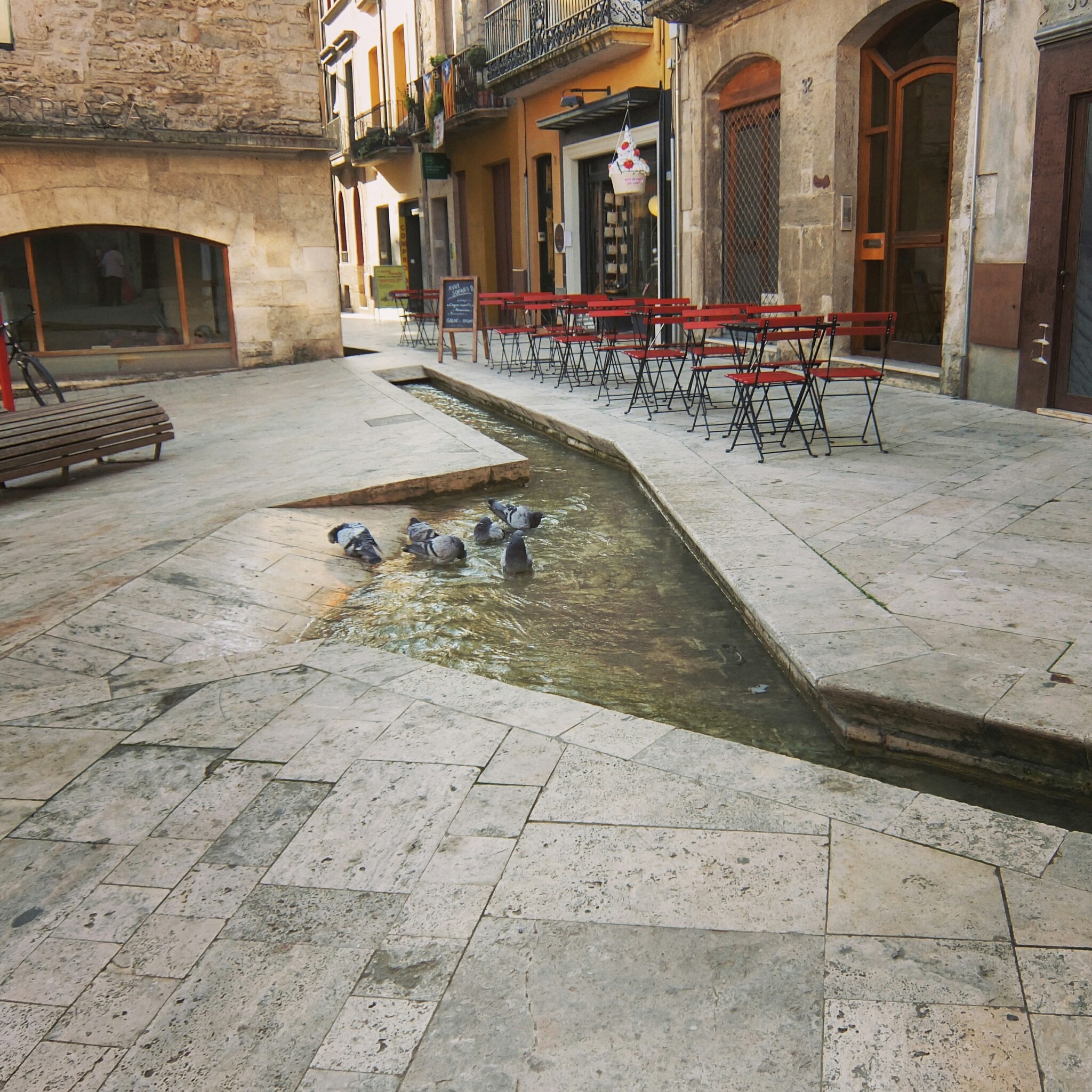
Public Spaces in Banyoles, Catalonia, Spain
This incredible project unearths an existing network of freshwater streams, beautifully revealing them in a purposeful, restrained, and elegant manner. The simple material palette, use of public fountains that drain into the streams, and the swelling of open water areas in larger public spaces all work together to create a series of streets and plazas that celebrate the co-presence of tight-scaled pedestrian-centric urbanity and moving water. The persistent sound of calmly moving water bouncing off the stone facades is enough to guide through the Old City.
Copenhagen: a series of great spaces
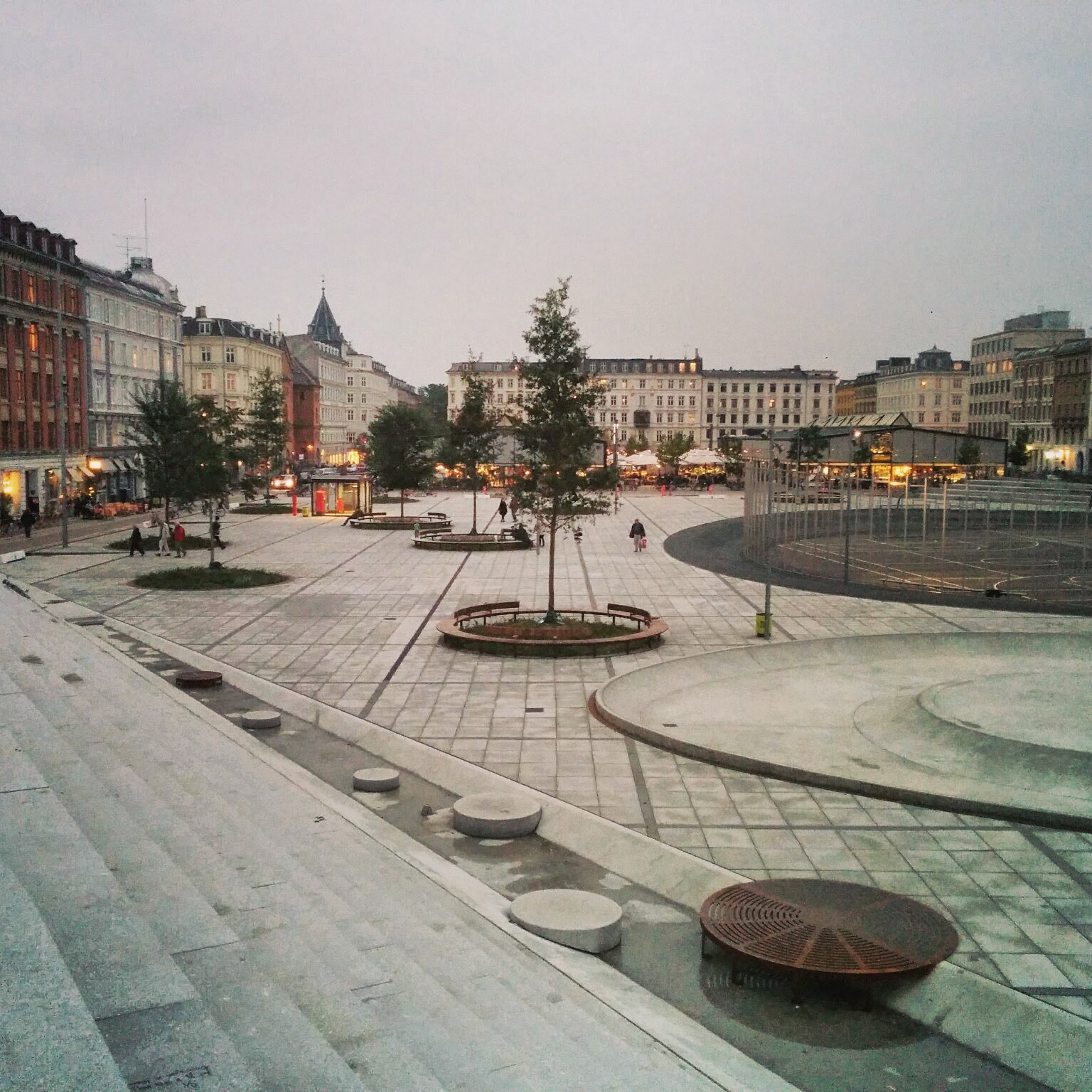
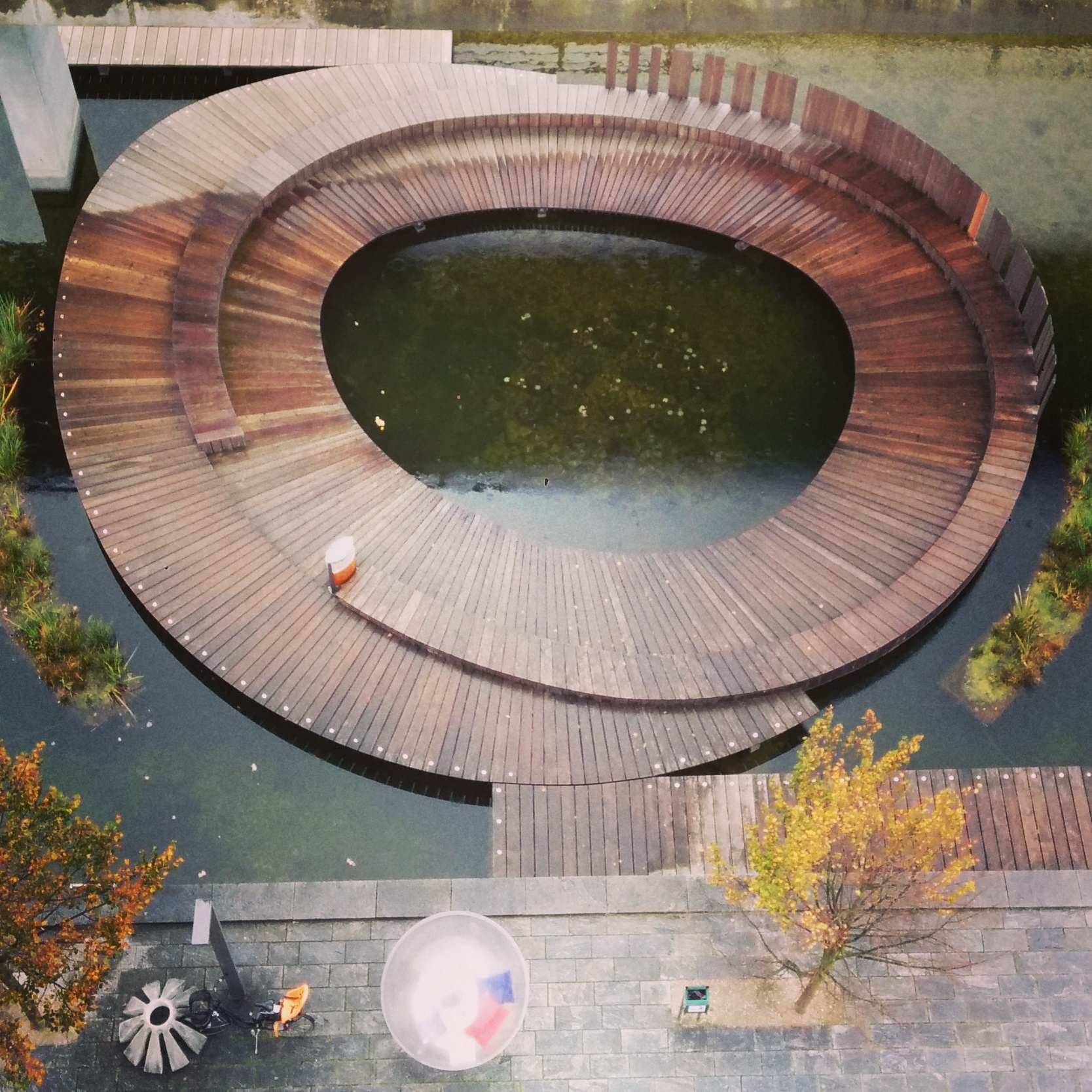
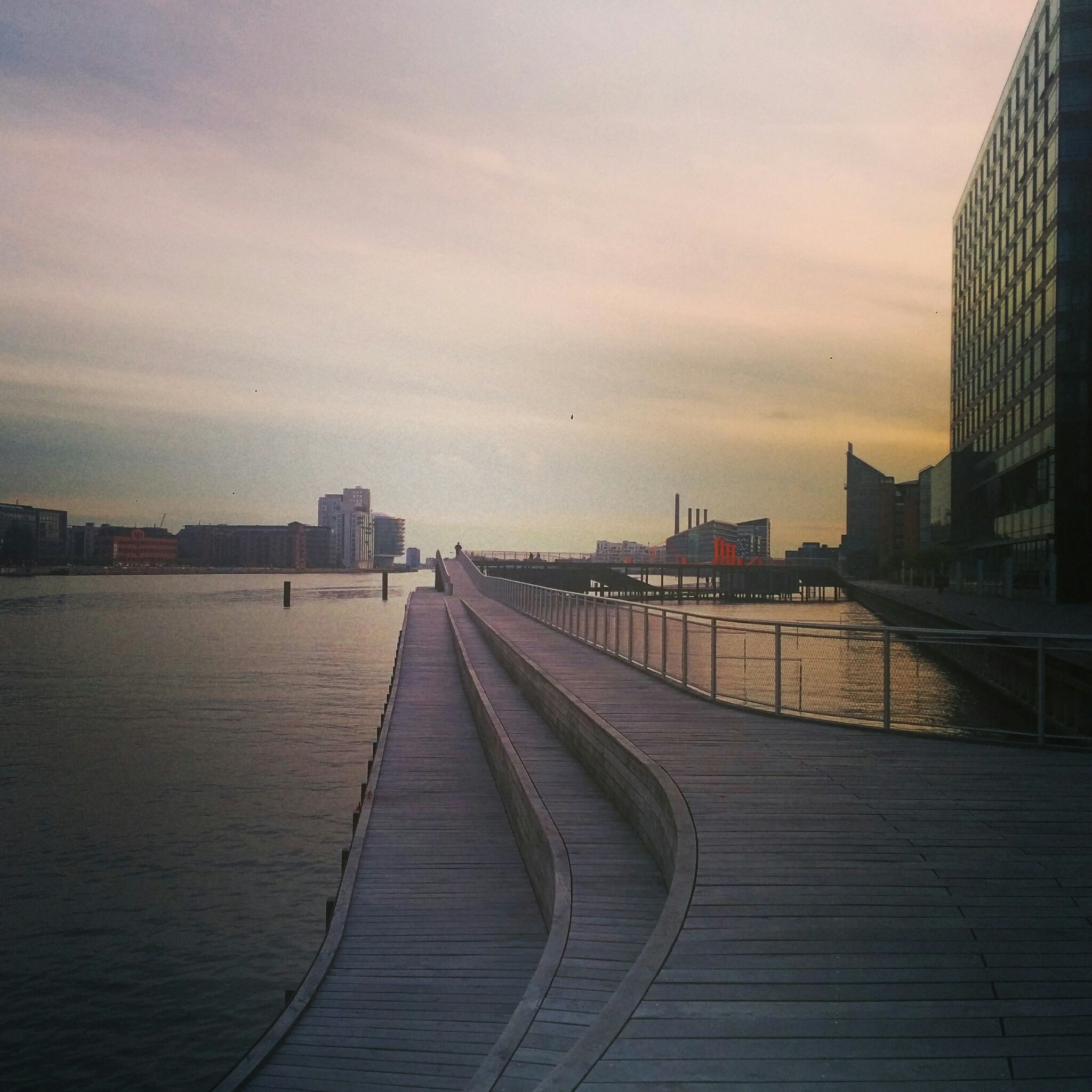
The genius of the Danish approach to water is not so much in how it is situated, it relates to how it is approached or accessed. Play and escape are central themes, allowing people to become users of spaces where water defines their actions. Whether leaping across the drainage channels at Israels Plads, sitting on the circular Øerne bench/bridge in Ørestad, or swimming in the South Harbour’s Kalvebod Waves, the Danes want your imagination to leave the city’s hardness, and to become involved, or immersed, in water.
Seville: Patio de Naranjos
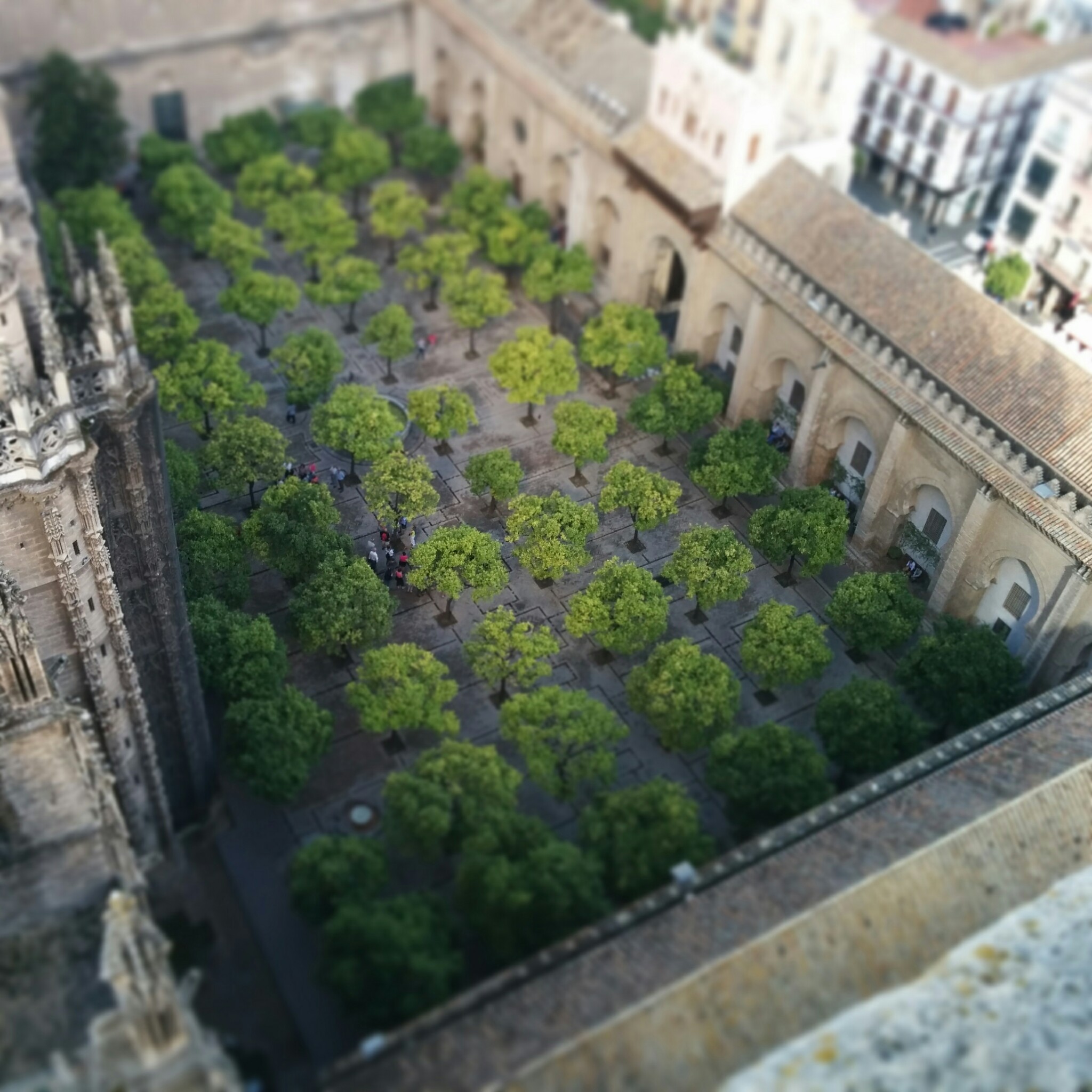
This small courtyard, shadowed by the massive adjacent Cathedral, is a remnant of the previous mosque, and exhibits the beauty of the Moorish aptitude of designing with water. The fountain overflows into a series of narrow channels that bifurcate into a grid of distributive routes eventually irrigating the orange trees, which provide a comfortable dappling shade. The overall design is an intertwined poetic display, using water to cool, provide ambient sound, and provide life, which in turn provides shade to this sacred, yet non-hierarchical, space. The beauty of the design lays in its infrastructural field, not in its central figure or axial connection. The beauty is achieved through the repetition of geometry and function, a skill unique to Islamic design.
 observations